How Much Water to Drink for Healthy Blood Pressure: Cardiologists Advise
Medical experts explain how hydration levels impact the cardiovascular system and share daily fluid intake guidelines.
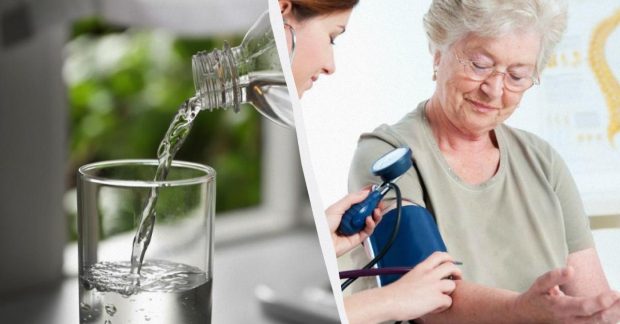 👥Society
Photo: UNIAN
Key points
- Daily guidelines: ~2.1L for women, ~3.1L for men
- Both dehydration and overhydration affect blood pressure
- Hydration works best alongside low sodium and active lifestyle
Maintaining a proper water balance is essential for overall health, yet few realize that hydration levels can directly influence blood pressure in unexpected ways. Experts point out that a lack of water can either lower or raise blood pressure, putting varying stress on the body's circulatory system.
How Dehydration Affects Blood Pressure
Since blood is primarily composed of water, dehydration reduces the total volume of circulating blood. Vascular surgeon Dr. William Schutze notes that this reduction can cause blood pressure to drop, frequently resulting in dizziness when standing up. Conversely, the body releases hormones like vasopressin to conserve water and constrict blood vessels, which ultimately drives blood pressure up, explains cardiologist Dr. Ethan Korngold.
Cardiologists generally recommend about 2.1 liters (roughly 9 cups) of water daily for women and 3.1 liters (about 13 cups) for men, though individual needs vary. At the same time, overhydration poses risks: consuming excessive amounts of fluid can increase blood volume and cause dangerous blood pressure spikes, particularly in older adults or those with heart, liver, or kidney conditions.
Adequate fluid intake helps the body maintain a stable blood volume, keeping blood pressure within a healthy range as part of a broader lifestyle routine.
Doctors emphasize that while staying hydrated is a beneficial habit, it does not replace core health measures. Controlling sodium intake, engaging in regular physical activity, maintaining a healthy weight, and following medical treatments remain critical factors for managing blood pressure effectively.
Source UNIAN — unian.ua/health/shcho-bude-yakshcho-piti-duzhe-malo-vodi-kardiologi… ↗
Read next
 🩺Health
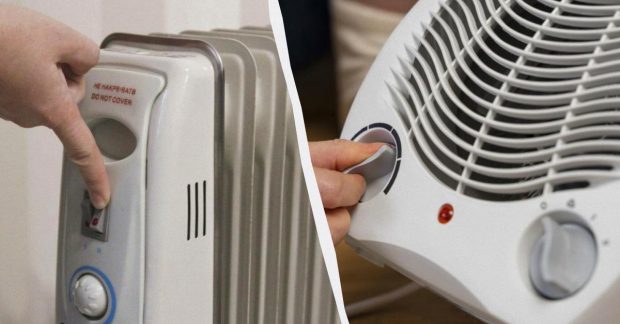
Efficient Home Heating: How to Choose a Heater and Optimize Electricity Consumption
An overview of household heating appliances: convectors, oil radiators, and fan heaters. A comparison of their performance, safety, and energy efficiency.
 🛡️Security
Rescue operation in Dymer: death toll from Russian strike rises
A search and rescue operation continues in the town of Dymer, Kyiv region, following a Russian strike. Rescuers have recovered the body of the ninth victim and saved an e…
 🛡️Security
Energy workers restore power in Rivne region following enemy attack
Electricity supply has been fully restored in the Sarny district of the Rivne region after being cut off by a Russian attack on November 20.
 🛡️Security
Estonia affirms Ukraine's right to self-defense following incident in the Gulf of Finland
Estonian Foreign Minister Margus Tsahkna stated that the strike on a Russian vessel is a consequence of Russia's war, upholding Ukraine's right to defend itself.
 🛡️Security
89-year-old woman rescued from rubble of destroyed building in Dymer
Rescue teams continue clearing the rubble of an apartment building in the Kyiv region hit by a drone. The death toll has risen to nine.
 🛡️Security
Russian Corvette 'Mercury' Hit in Libya: Potential Ukrainian Drone Strike
A Russian naval vessel was damaged in Benghazi, Libya, with reports from Associated Press suggesting a possible strike by Ukrainian maritime drones.