Military Justice in Ukraine: Why Human Rights Defenders Warn Against Recreating Military Courts
The discussion on restoring the military justice system continues amidst the war, but the Pryncyp human rights center warns of risks to the rights of service members.
 👥Society
Photo: Ukrainska Pravda
Key points
- Ukraine is actively debating the restoration of its military justice system.
- Human rights advocates warn against command pressure on military judges.
- The civilian judiciary can handle military cases through specialized judicial training.
- Creating separate military courts poses significant structural and independence risks.
The issue of developing a military justice system has returned to the spotlight due to the work of a Temporary Special Commission of the Verkhovna Rada. The full-scale war has heightened the importance of legal protection for service members, prompting parliament to seek optimal models for reviewing military-related cases. Meanwhile, experts express serious concerns regarding the potential revival of specialized military courts and prosecutor's offices.
Risks of Command Vertical Influence on the Judiciary
Proponents of restoring military courts often argue that judges need specific military experience and knowledge. However, human rights defenders emphasize that if the Ministry of Defence or the General Staff assign military ranks to judges, it creates a direct threat to judicial independence. Under such conditions, military judges would be bound by disciplinary statutes and the principle of single-command authority, inevitably increasing the risk of pressure from commanding officers.
- Civil society and experts warn against judge dependency on military leadership.
- Concerns exist regarding potential restrictions on subordinates' rights without a proper balance of commanders' accountability.
- Service experience across various branches does not automatically guarantee objective and impartial rulings.
“For a service member whose case is being reviewed, all of this means the risk that the decision will be influenced by the command vertical rather than the law and the circumstances of the case,” the human rights center notes.
Over the years of the full-scale war, the existing civilian court system has accumulated significant experience in handling such disputes. Instead of creating a separate vertical of military courts, experts suggest implementing a narrow specialization for civilian judges with the involvement of relevant experts, preserving impartiality standards and ensuring effective protection of military personnel's rights.
Source Ukrainska Pravda — pravda.com.ua/news/2026/11/20/8063800/ ↗
Read next
 ⚽Sport
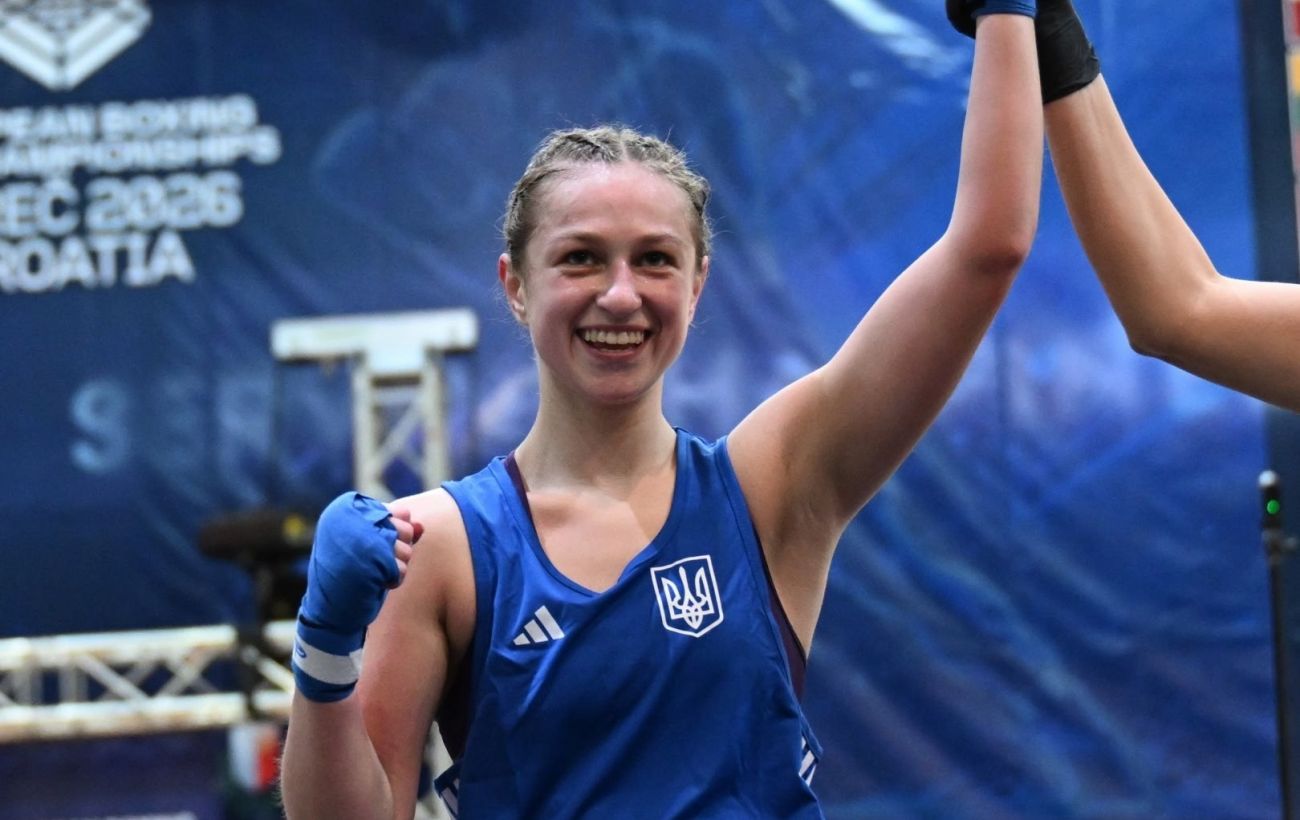
Ukrainian boxer Sofiia Turbinina wins bronze at the U23 European Championship in Croatia
The athlete successfully reached the semifinals of the continental tournament in the under-48 kg weight category, where she lost to a representative from Poland.
 💼Economy
Labor Shortage in Ukraine: High Salaries Fail to Fill Critical Technical Vacancies
Ukraine's labor market continues to experience a severe shortage of blue-collar and technical professionals. Even competitive salary offers do not always attract sufficie…
 🇺🇦Ukraine
Russian Vessel Targeted by Drones off Libyan Coast: What is Known
Another maritime drone attack has targeted a vessel linked to Russian military logistics off the coast of Libya, according to international reports.
 🏙️City
Why robins visit gardens: understanding bird behavior in Kovel
Robins often follow gardeners, but this is driven by food access rather than affection. Experts share tips on how to support local bird populations responsibly.
 🩺Health
Health Benefits of Sauerkraut for Older Adults: Dietitian's Advice
A nutritionist explains how consuming just 150 grams of sauerkraut daily can boost immunity and improve digestion in older adults.
 💡Tech
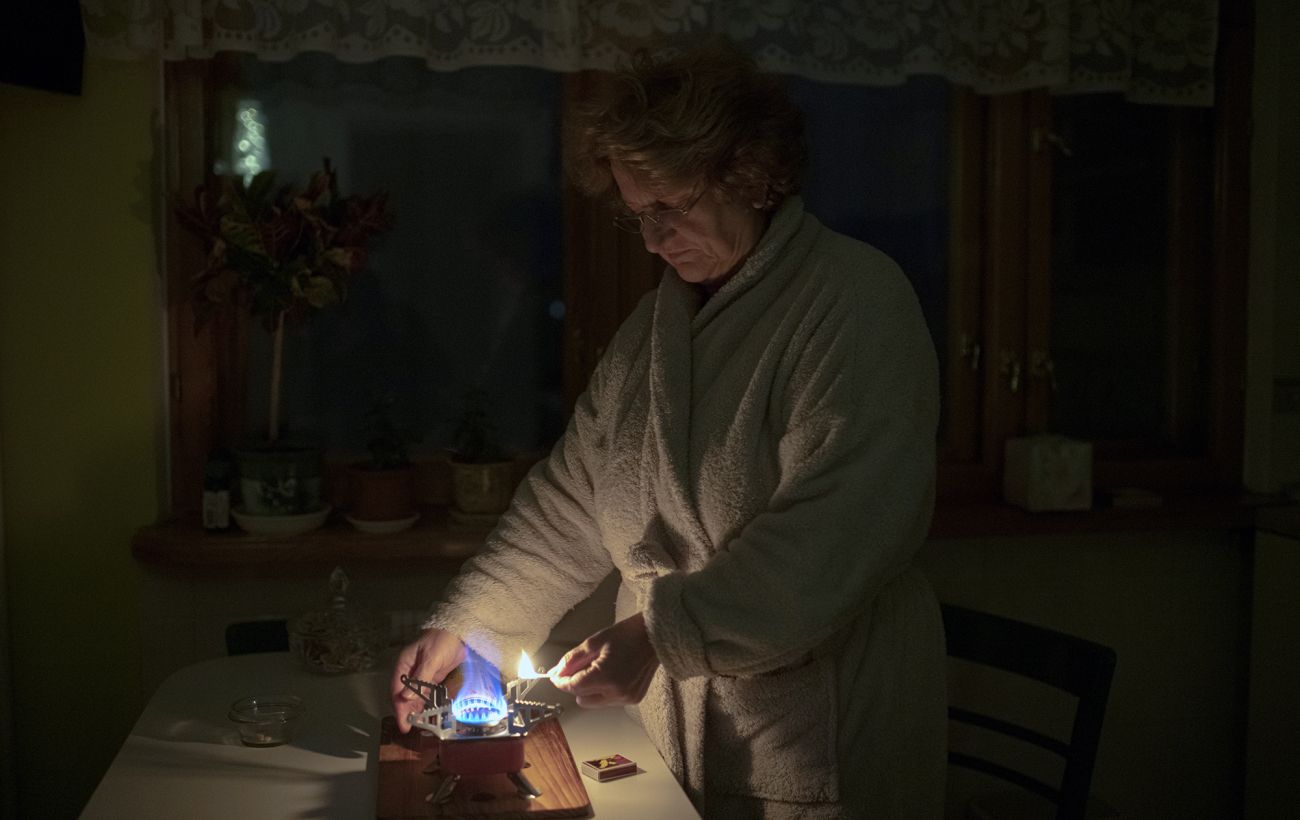
Emergency power outages in five Ukrainian regions following Russian attacks
Due to damage to energy infrastructure in the Dnipropetrovsk region, emergency power restrictions have been implemented across several regions.