Ground Robotic Systems on the Front Line: Why Drones Will Not Fully Replace Armored Vehicles
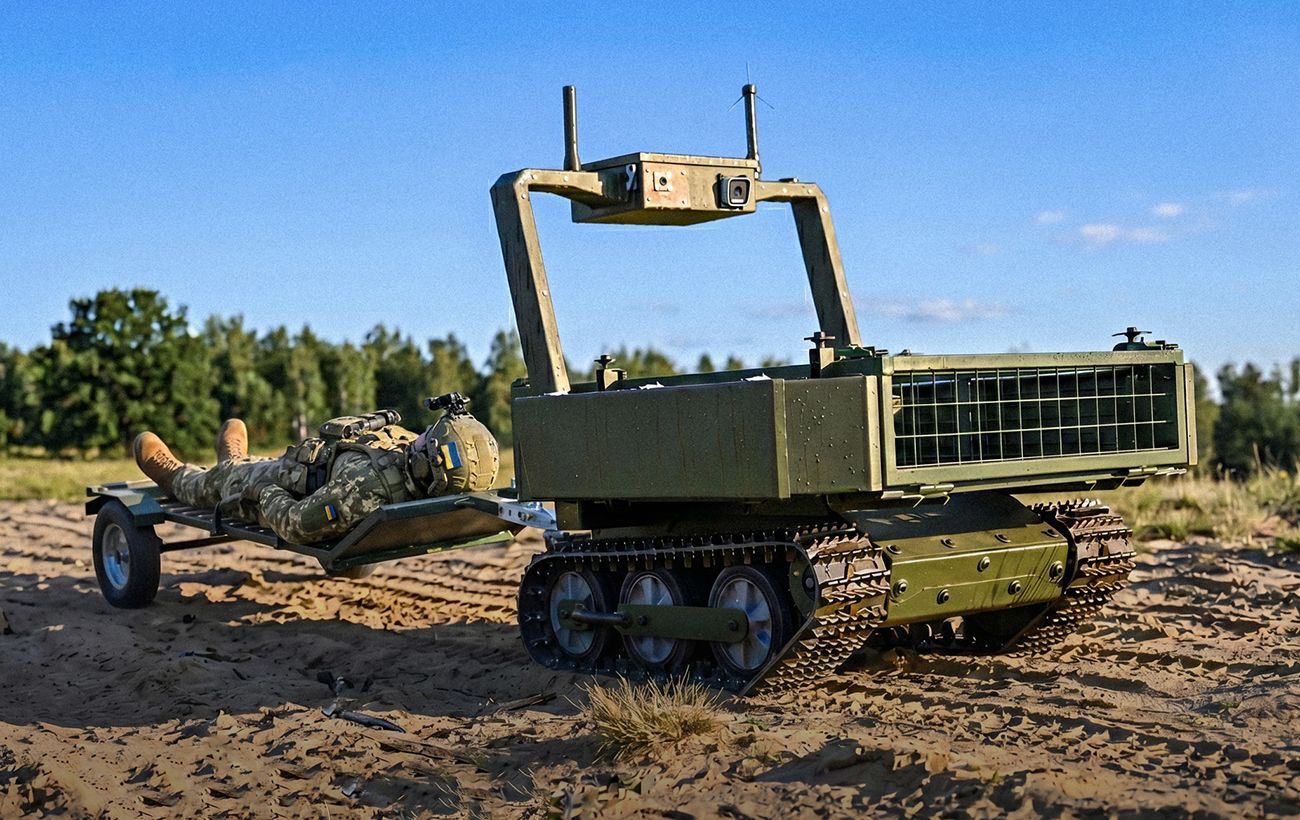
Ukrainian manufacturers of robotic systems state that ground drones are taking over high-risk logistics, but they cannot yet completely displace armored vehicles and pickups.
 🧠AI Analysis
Photo: RBC-Ukraine
Key points
- Ground UGVs handle high-risk logistics but cannot fully replace crewed armored vehicles.
- Experts project that by 2027, ground robotics could manage most frontline supply routes.
- Building specialized UGVs from scratch is generally more cost-effective than converting legacy vehicles.
The rapid development of Ukrainian ground robotic systems (UGVs) is significantly altering frontline warfare. However, experts caution against illusions regarding a complete transition away from traditional armored vehicles. Ground drones will not fully replace armored cars or pickups in the near future, as the focus is on task redistribution rather than phasing out crewed vehicles.
Task Redistribution and Outlook for 2027
The primary value of ground robots today lies in undertaking the most dangerous supply and evacuation routes. As Taras Ostapchuk, CEO of Ratel Robotics, points out, robotics are deployed where human-crewed vehicles present extreme risks to life. He suggests that by 2027, nearly all frontline logistics could be managed by robotic platforms.
Nevertheless, the demand for heavy and high-speed machinery remains high. Armored vehicles will continue to be indispensable for rapid personnel deployment, missions requiring speed, and robust armor protection during combat maneuvers.
Conversion Economics and Emerging Designs
Military personnel and developers are also considering the adaptation of civilian or aging military transport. According to the CEO of TechUnity, converting a pickup truck or armored personnel carrier into an unmanned platform is technically feasible. However, economic viability is the main constraint, as integrating remote control, safety systems, and redundant communication lines often costs more than building a dedicated UGV from scratch.
While large-scale military orders for converting heavy vehicles do not currently exist, individual custom projects are being carried out. Simultaneously, developers are introducing specialized innovations ranging from Renault Group's modular Forefront Concept to ARMOLAB's collapsible UNIMOD UGV designed for air-dropping.
Source RBC-Ukraine — rbc.ua/ukr/news/nrk-mozhut-zaminiti-broneavtomobili-fronti-17954241… ↗
Read next
 💡Tech
Neuralink technology allows user to play video games using only brain signals
Neuralink has demonstrated a new milestone in brain-computer interfaces, showing a clinical trial participant controlling a game using an implanted chip.
 🏛️Politics
Lawyer in fatal NABU detective crash case seeks parliamentary commission intervention
The legal representative of a university student killed in a 2018 road accident has turned to a parliamentary inquiry commission, citing stalled investigations and potent…
 🛡️Security
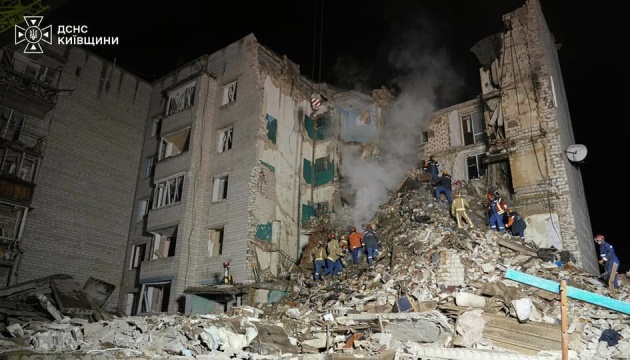
Dymer Strike Death Toll Rises to 11 as Rescuers Save Child from Rubble
The death toll from a Russian attack on an apartment building in Dymer, Kyiv region, has risen to 11. Emergency services worked continuously, managing to rescue a seven-y…
 🎓Education
Famous American singer Miley Cyrus officially marries musician Max Morando
Popular artist Miley Cyrus has shared her first wedding photos with drummer Max Morando, officially confirming their marriage on her birthday.
 🛡️Security
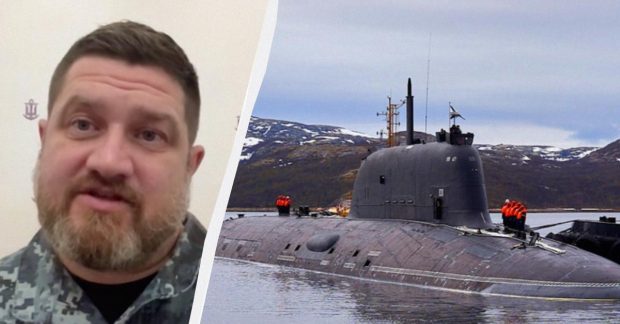
Russian Submarines Enter Open Sea for Kalibr Strikes for First Time in Six Months
During a recent combined attack, Russian naval forces deployed submarines from Novorossiysk for the first time in half a year.
 🛡️Security
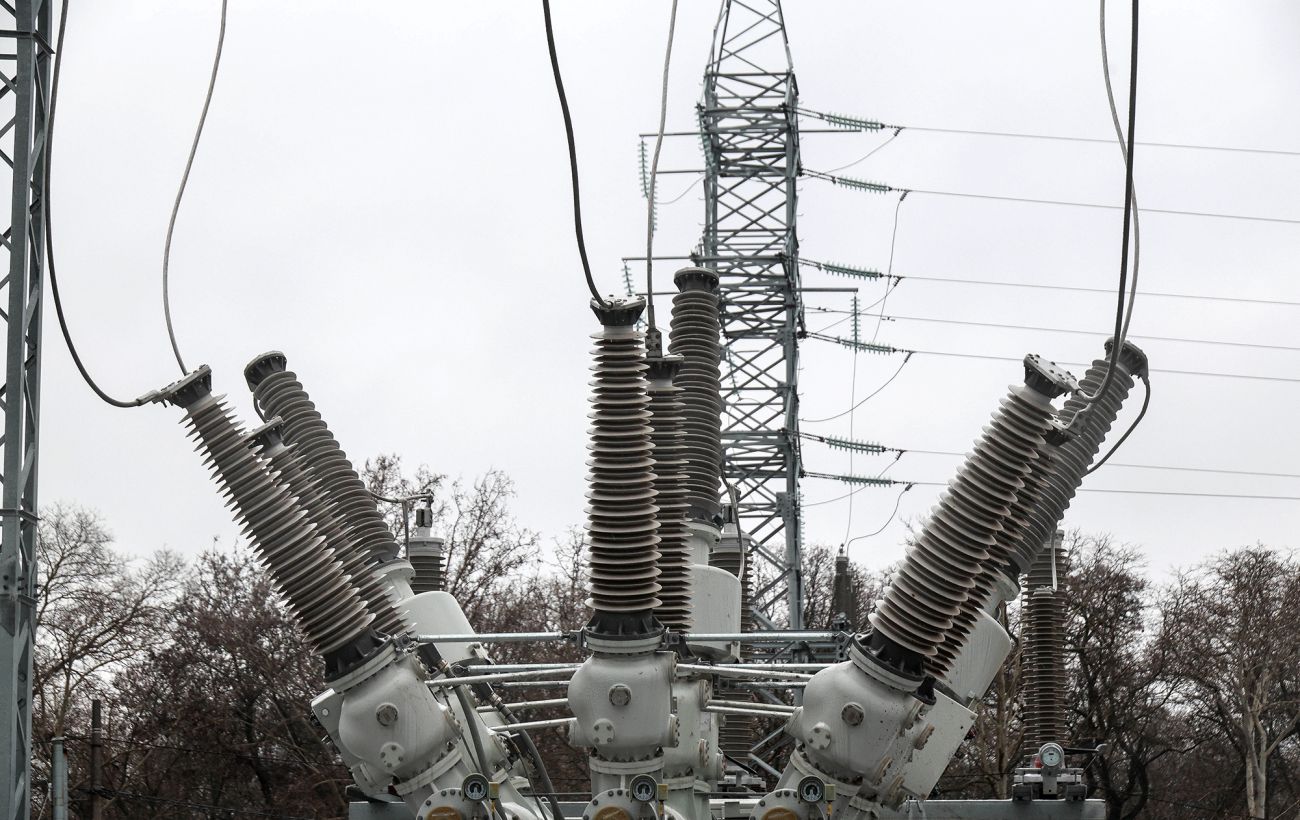
Billion-Hryvnia Debt for Kyiv Region Energy Protection Creates Risks for Critical Infrastructure
Companies that built protective structures for energy facilities in the Kyiv region face arrears exceeding 1 billion hryvnias, threatening contractor stability.