Neuralink technology allows user to play video games using only brain signals
Neuralink has demonstrated a new milestone in brain-computer interfaces, showing a clinical trial participant controlling a game using an implanted chip.
 💡Tech
Photo: RBC-Ukraine
Key points
- Neuralink demonstrates brain-controlled video game navigation
- Telepathy system converts neural impulses into digital commands
- Technology remains in the clinical trial phase
American company Neuralink has released video footage showcasing a significant advancement in brain-computer interface technology. During recent clinical trials, a participant with an implanted brain chip was able to navigate through a complex gaming environment without using traditional controllers or pressing physical buttons. The system works by reading neural activity and translating it into digital commands for a computer or gaming console in real time.
The Telepathy System in Action
At the core of the technology is the Telepathy system. During initial training, specialized algorithms determine which neural impulses correspond to specific user intentions, such as executing precise actions. Physical movements are not strictly required; the user simply needs to imagine the desired action, and the implant transmits the corresponding signal. The published video displays virtual overlay controls reacting directly to the subject's nervous system signals.
The participant described the experience as extraordinary, referring to the chip as a gateway to a virtual world. Prior to the implantation, their digital interaction was largely restricted to basic screen taps on an iPad. With the brain implant, a significantly broader set of mechanics and digital interactions became accessible, highlighting new possibilities for assistive technology.
Future Outlook and Safety Considerations
Despite the impressive demonstration, developers emphasize that these neurointerfaces are still undergoing clinical research and have not yet received regulatory approval for commercial use. The technology remains exclusively available to trial volunteers. While this development is part of a global shift in advanced medical research, its widespread practical application is still years away.
"This is the future, offering unprecedented possibilities for individuals with severe physical limitations," trial participants note.
In the long term, such innovations could radically transform neurorehabilitation and medical treatments for paralysis. Experts advise viewing these breakthroughs as early research milestones that require rigorous, long-term safety evaluations before entering broader medical practice.
Source RBC-Ukraine — rbc.ua/ukr/news/geymer-chipom-neuralink-proyshov-gta-6-knopok-17954… ↗
Read next
 🏛️Politics
Lawyer in fatal NABU detective crash case seeks parliamentary commission intervention
The legal representative of a university student killed in a 2018 road accident has turned to a parliamentary inquiry commission, citing stalled investigations and potent…
 🛡️Security
Dymer Strike Death Toll Rises to 11 as Rescuers Save Child from Rubble
The death toll from a Russian attack on an apartment building in Dymer, Kyiv region, has risen to 11. Emergency services worked continuously, managing to rescue a seven-y…
 🎓Education
Famous American singer Miley Cyrus officially marries musician Max Morando
Popular artist Miley Cyrus has shared her first wedding photos with drummer Max Morando, officially confirming their marriage on her birthday.
 🧠AI Analysis
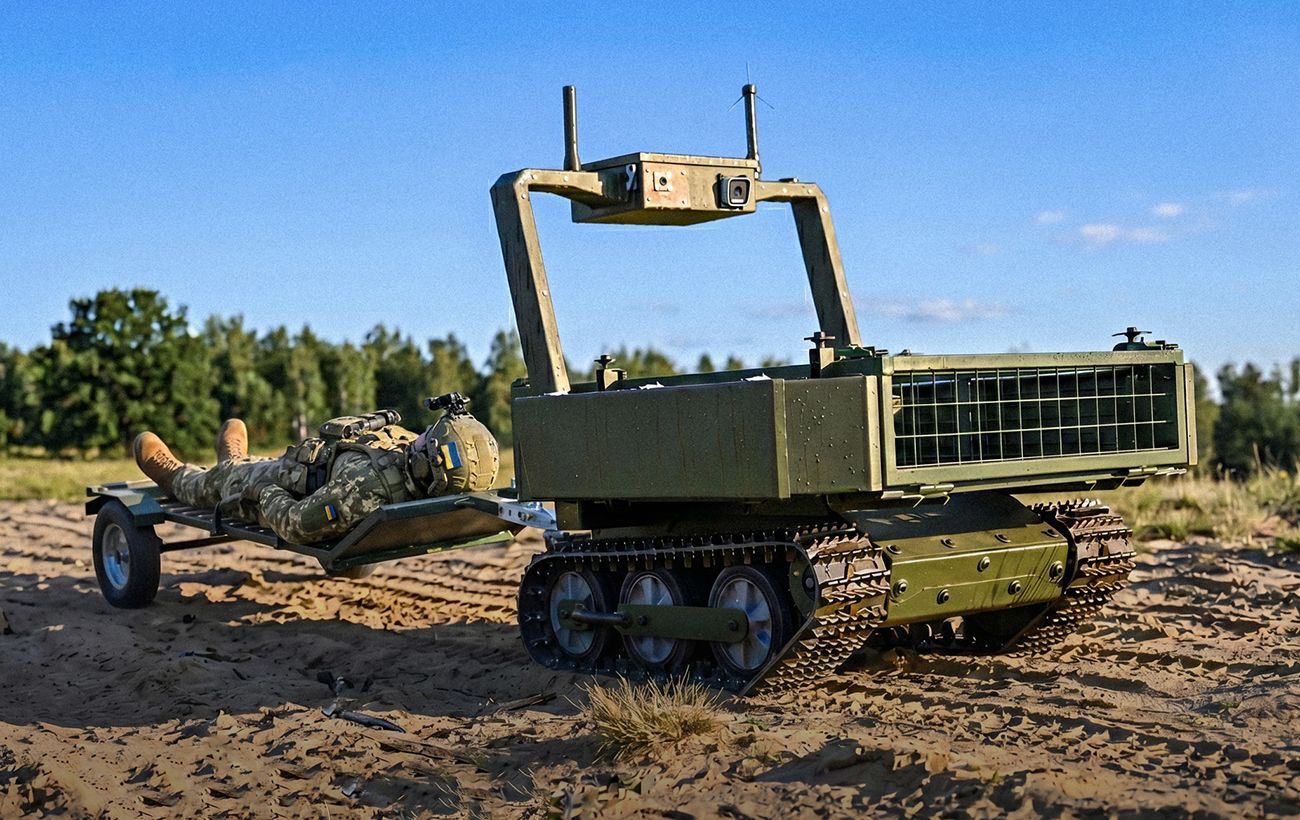
Ground Robotic Systems on the Front Line: Why Drones Will Not Fully Replace Armored Vehicles
Ukrainian manufacturers of robotic systems state that ground drones are taking over high-risk logistics, but they cannot yet completely displace armored vehicles and pick…
 🛡️Security
Russian Submarines Enter Open Sea for Kalibr Strikes for First Time in Six Months
During a recent combined attack, Russian naval forces deployed submarines from Novorossiysk for the first time in half a year.
 🛡️Security
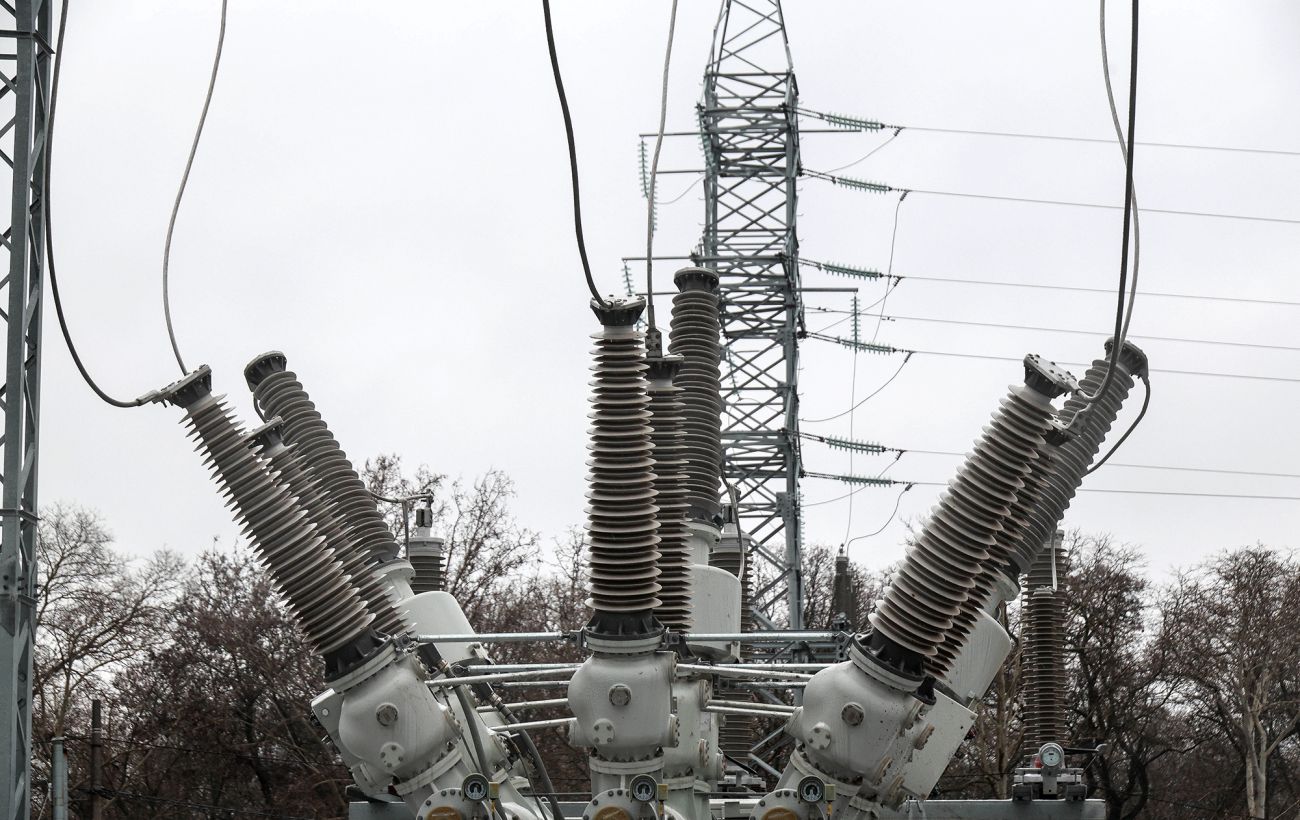
Billion-Hryvnia Debt for Kyiv Region Energy Protection Creates Risks for Critical Infrastructure
Companies that built protective structures for energy facilities in the Kyiv region face arrears exceeding 1 billion hryvnias, threatening contractor stability.